October 13, 2026
Older homes carry a distinct architectural charm and character that newer constructions often lack. Behind historic plaster walls and beneath sturdy hardwood floors lies aging infrastructure that requires ongoing care. Understanding the underlying reasons for chronic drainage failures can help property owners maintain their plumbing systems effectively and protect their homes from potential structural damage.
Outdated and Aging Pipe Materials
A primary reason older residences encounter frequent plumbing backups is the presence of outdated pipe materials. Standard materials from past decades have proven vulnerable to natural degradation over several years.
Galvanized Steel Corrosion
Galvanized steel pipes rely on a protective coating of zinc to resist rust. Over time, that zinc coating breaks down, exposing the underlying iron to moisture and mineral deposits. As corrosion develops, it creates a rough interior surface that catches debris and restricts water flow.
Cast Iron Flaking and Scale Buildup
Cast iron was the standard material for main sewer lines in older properties. As cast iron ages, scale and rust flakes form along the interior walls. These rough patches catch toilet paper and organic matter, resulting in recurring blockages.
Clay and Orangeburg Pipe Degradation
Earlier residential construction often utilized terracotta clay or fiber-conduit Orangeburg pipes for underground main drain lines. Clay pipes feature numerous joints vulnerable to shifting, while Orangeburg pipes tend to collapse under pressure. As these underground materials deteriorate over time, they cause chronic blockages in the main drain system.
Invasive Tree Root Intrusion
Tree root intrusion is another major factor causing drainage failures in established neighborhoods. Mature landscaping adds beauty to a property, but expansive root systems present a constant threat to underground plumbing.
Root Attraction to Moisture and Nutrients
As trees mature, their root systems continuously seek out moisture and nutrients in the surrounding soil. Main sewer lines carry warm water and organic matter, releasing vapor through tiny cracks in aging pipe connections. Tree roots naturally grow toward these moisture sources and exert steady pressure until they find an entry point.
Internal Root Blockages and Pipe Cracking
Once a fine root hair penetrates a tiny crack in a drain line, it expands rapidly inside the pipe. The nutrient-rich environment allows the root system to blossom into a dense matrix that catches solid waste. If left unchecked, the expanding root mass can shatter aging pipes and cause severe line collapses.
Sagging and Shifted Underground Sewer Lines
Over decades, natural soil settling, changing weather patterns, and shifting water tables cause gradual ground movement. This environmental shift impacts underground plumbing pathways significantly.
Belly Formation in Main Lines
When soil beneath an underground drain line shifts, sections of the pipe can sink below the original grade level. This low spot, commonly referred to as a belly, breaks the natural slope needed for continuous waste flow. Standing water in the belly acts as a permanent barrier, catching incoming debris and causing repeated backups.
Joint Disconnection and Offset Pipes
Older drain lines feature numerous connection joints along their path to the municipal sewer connection. As surrounding soil shifts, individual pipe segments can pull apart or shift out of alignment. An offset acts as a physical ledge inside the plumbing line where waste materials catch and create persistent blockages, requiring professional drain cleaning services.
Heavy Accumulation of Mineral and Organic Waste
Decades of daily household use naturally leave deposits inside residential drainage systems. In older pipes where lines are already narrowed by material degradation, this accumulation produces severe flow restrictions.
Hard Water Scale and Limescale Accumulation
Many regions supply hard water containing high concentrations of dissolved minerals. Over decades of continuous use, these minerals form hard scale along the interior surfaces of drain lines. Limescale creates a rough texture that steadily catches grease and soap residues, accelerating the formation of stubborn clogs that specialized drain cleaning services can remove.
Long-Term Accumulation of Grease and Organic Matter
Kitchen sinks and bathroom drains regularly receive organic materials, including cooking fats, oils, and hair. Even small amounts accumulate gradually over long periods of time. In older pipes with preexisting rust or scale, grease adheres firmly to the line walls and traps incoming waste.
Misaligned or Deteriorated Vent Stacks
A proper drainage system relies on balanced air pressure to carry wastewater away smoothly. Plumbing vent stacks extend through the roof of a property to equalize air pressure and allow sewer gases to vent safely outdoors.
Blocked or Damaged Roof Vents
Over time, roof vent openings can become obstructed by fallen leaves, twigs, or debris. When a vent line becomes blocked, negative air pressure builds within the drain system, creating a vacuum effect. This airflow restriction causes sinks to gurgle and wastewater to drain slowly.
Air Pressure Imbalances and Slow Drainage
Without proper venting, water flowing down a drain pulls air from nearby fixture traps rather than the vent stack. This imbalance slows water flow significantly, preventing solid materials from being carried away efficiently. As solid waste moves sluggishly through horizontal drain lines, it settles along the pipe floor and causes recurring blockages.
Modern Wastewater Demands on Legacy Systems
The daily water usage habits of modern households differ substantially from the era when older homes were built. Legacy systems were designed for lower total water volumes and fewer simultaneous fixtures.
High-Efficiency Appliances and Water Volumes
Modern residences utilize multiple bathrooms, high-capacity washing machines, dishwashers, and garbage disposals simultaneously. Legacy drain lines with small interior diameters often struggle to manage the rapid volume of discharge from these appliances. When multiple fixtures drain at once, the overloaded system backs up into low-lying drains.
Modern Waste Products and Line Overloads
Products commonly used today, such as thick toilet paper and heavy bath products, place a higher demand on residential drainage networks. Older pipes featuring internal rust scale catch these modern paper products easily. This interaction leads to frequent interruptions in waste flow, making periodic drain cleaning services essential.
Effective Prevention and Maintenance Strategies
Managing drainage health in an older residence requires a proactive approach to maintenance. Relying solely on temporary measures when a complete blockage occurs often allows minor pipe issues to escalate into severe structural damage.
Regular Inspection and Diagnostic Protocols
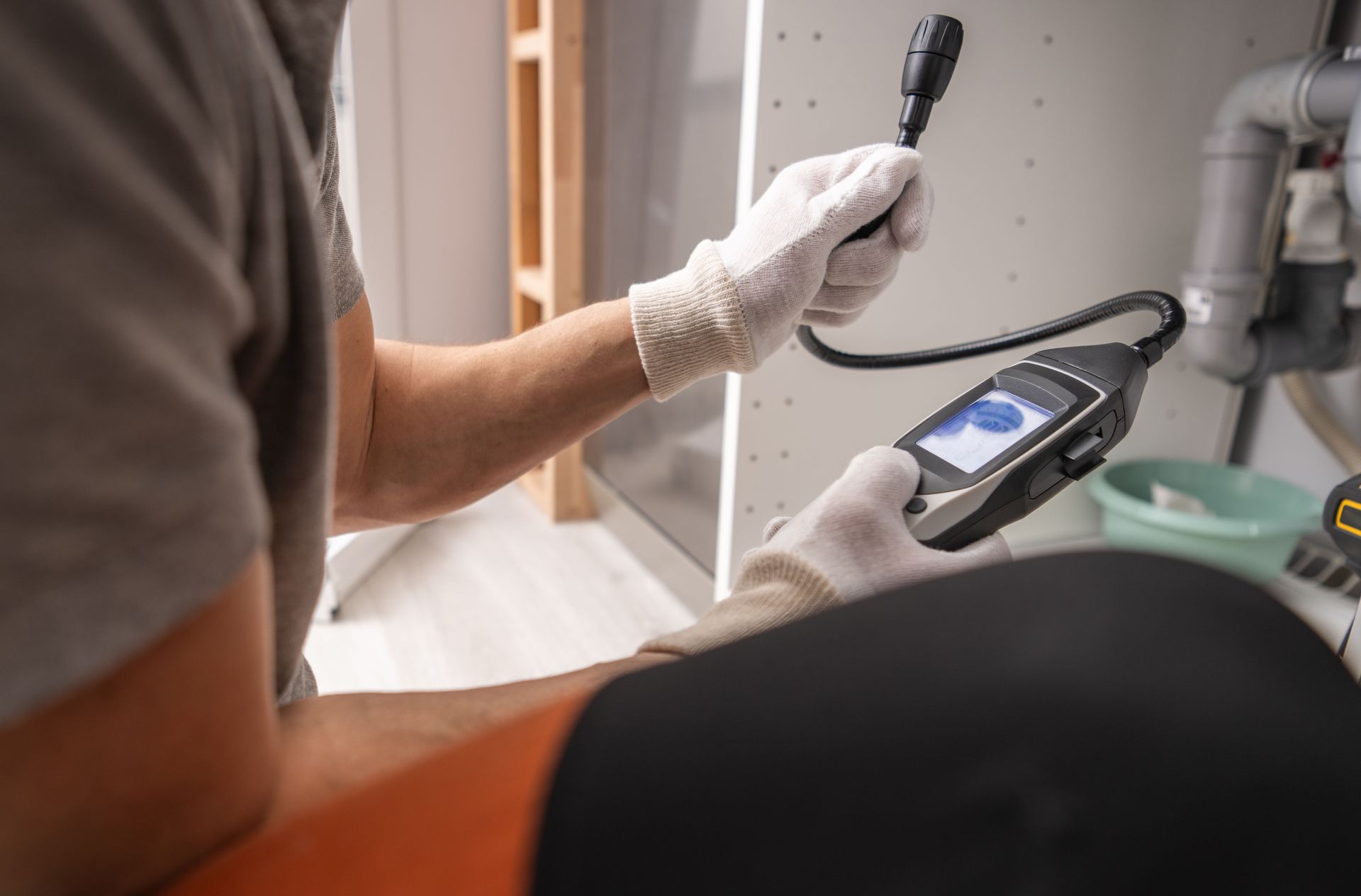
Periodic evaluations of aging drain lines provide vital visibility into underground conditions. Fiber-optic video inspections allow for the precise identification of root intrusion, line bellies, and joint separation without invasive excavation. Identifying minor structural flaws early allows property owners to plan targeted maintenance and timely drain cleaning services before complete line failure occurs.
Professional Drain Maintenance Routines
According to Modernize, having your drains professionally cleared with drain cleaning services every 1 to 2 years can prevent costly emergency plumbing repairs. Routine maintenance utilizes specialized equipment to clear accumulated mineral scale, organic buildup, and fine tree root growth before they restrict waste flow completely. Regular care helps preserve the structural integrity of historical pipe materials while ensuring reliable drainage performance across all household fixtures.
Proper Household Waste Management
Protecting older drain networks requires mindful daily habits. Household residents should refrain from introducing fats, oils, grease, coffee grounds, fibrous food scraps, or non-flushable paper goods into sink and toilet drains. Utilizing drain strainers in showers and sinks catches hair and foreign items before they enter the main drainage system.
Understanding the unique vulnerabilities of legacy plumbing systems helps homeowners preserve the function and comfort of their properties over time. When persistent backups disrupt your home, consulting with experienced professionals for expert drain cleaning services ensures long-term reliability for your plumbing infrastructure. Establishing a regular plan helps property owners avoid unexpected drain backups and maintain clean, functional wastewater lines year after year. For thorough evaluations and long-term drainage care tailored to classic properties, consider contacting the team at Holt Plumbing Company for
drain cleaning services.