July 11, 2026
Access to clean, safe drinking water is a fundamental expectation for any household or commercial facility. When you turn on the tap, you trust that the water flowing out is pure and free from harmful contaminants. However, plumbing systems are complex networks relying on precise pressure levels to function correctly. When these pressure levels fluctuate unexpectedly, the direction of water flow can reverse, creating a hazardous situation known as backflow. This reversal threatens the purity of your potable water supply by potentially drawing hazardous chemicals, waste, and other pollutants back into the main system. Protecting your drinking water from these invisible threats requires proactive measures and regular maintenance. Scheduling a professional back flow testing service is the most effective way to ensure your plumbing infrastructure remains secure. By understanding how these systems operate and the hidden dangers they present, you can take the necessary steps to safeguard your property and prioritize the health of everyone who relies on your water supply.
Understanding the Basics of Water Reversal
The mechanics of a plumbing system depend entirely on maintaining positive pressure to push water forward to its intended destination. When a sudden drop in pressure occurs, the system experiences a vacuum effect, pulling water backward through the pipes. This phenomenon, known as back-siphonage, can draw stagnant or contaminated water from pools, irrigation systems, or industrial tanks directly into your clean water lines. Alternatively, back-pressure occurs when the pressure downstream exceeds the pressure of the main supply, forcing non-potable water into the clean system. Both scenarios compromise the integrity of your plumbing and jeopardize the safety of your drinking water. Routine assessments provided by a back flow testing service can identify vulnerabilities within your pipes before a reversal happens. These comprehensive evaluations ensure that the mechanical barriers designed to stop reverse flow are functioning as intended, providing continuous protection against unexpected pressure drops.
Recognizing the Risks of Contaminated Water
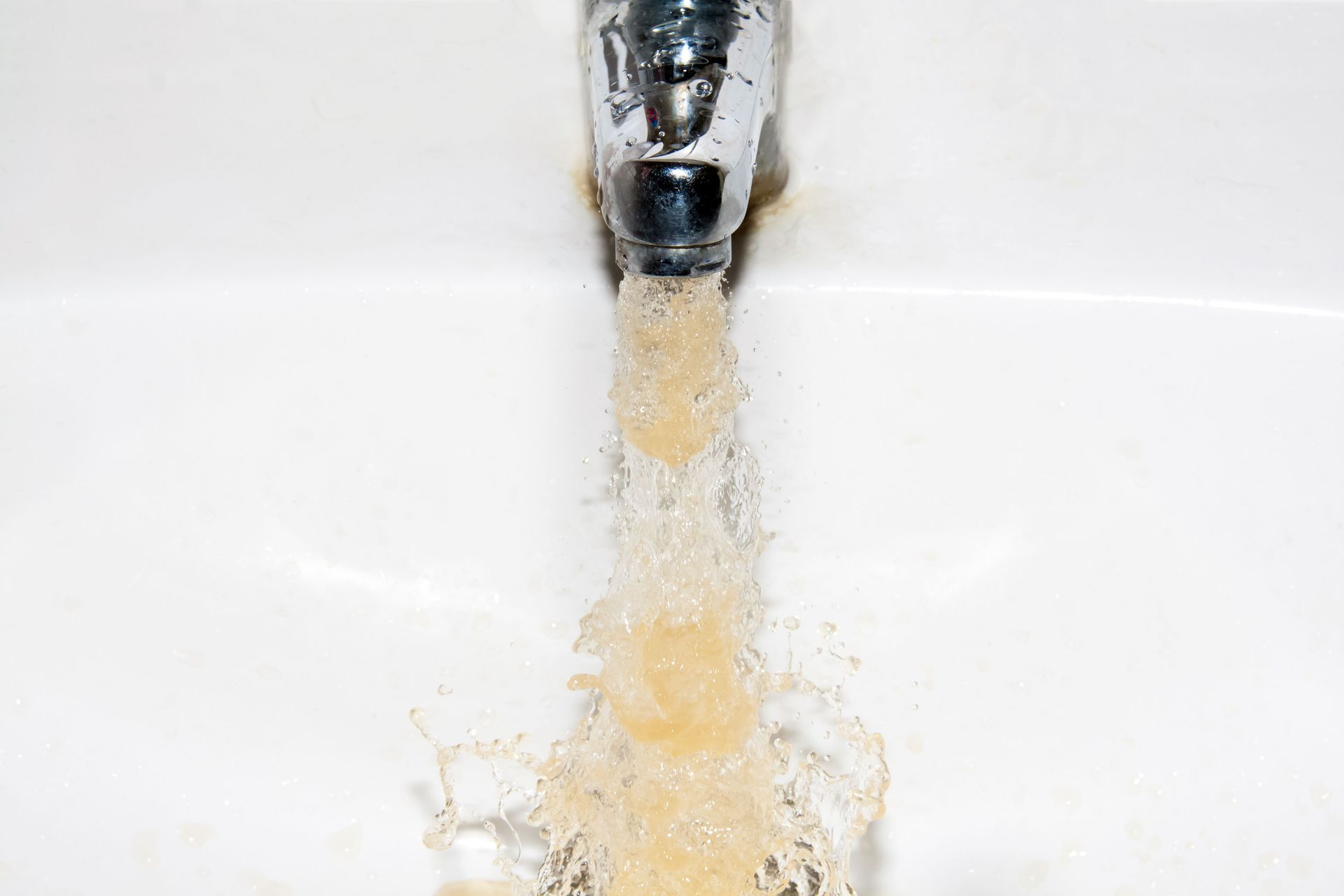
The consequences of a backflow event extend far beyond a minor plumbing inconvenience; they pose severe health hazards to anyone using the affected water supply. When wastewater, fertilizers, pesticides, or industrial chemicals infiltrate your potable water, the resulting contamination can lead to significant illnesses. Exposure to these harmful pollutants can cause gastrointestinal distress, skin irritation, and other severe medical conditions. Because contaminated water often looks, smells, and tastes normal, you might not realize there is a problem until individuals begin falling ill. This invisible threat highlights the critical need for preventative measures. Utilizing a reliable back flow testing service helps you catch mechanical failures before toxins ever reach your tap. By prioritizing these evaluations, property owners create a crucial line of defense, keeping dangerous pathogens and chemicals out of the drinking supply and protecting the well-being of families, employees, and the broader community.
Identifying the Causes of Plumbing Pressure Changes
Various external and internal factors can trigger the pressure fluctuations responsible for water reversal. A common cause is a sudden surge in demand on the municipal water supply, such as when emergency personnel utilize nearby hydrants to extinguish a fire. This massive draw of water significantly reduces the pressure in the surrounding lines, creating a vacuum that pulls water backward from connected properties. Additionally, structural failures like a ruptured main line can instantly deplete system pressure, leaving homes and businesses vulnerable to contamination. Even internal plumbing issues, such as severe clogs or pipe degradation, can disrupt the balance required for forward flow. According to The Spruce, your drain pipe can be as small as three inches in diameter. When pipes of any size become compromised, the resulting pressure changes can facilitate back-siphonage or back-pressure. Recognizing these potential triggers helps property owners stay vigilant and proactive about their overall plumbing system health.
Evaluating the Equipment Used for Prevention
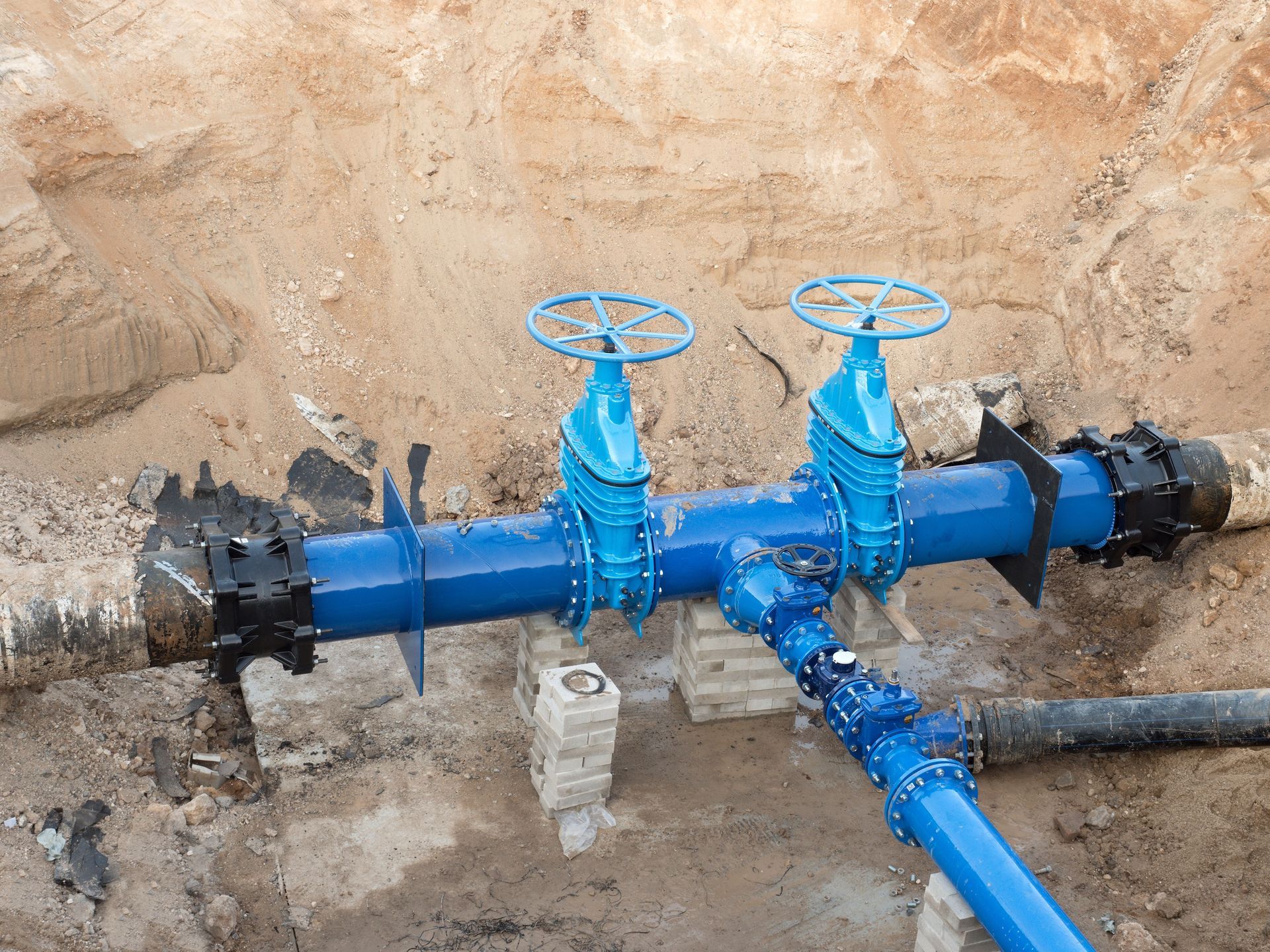
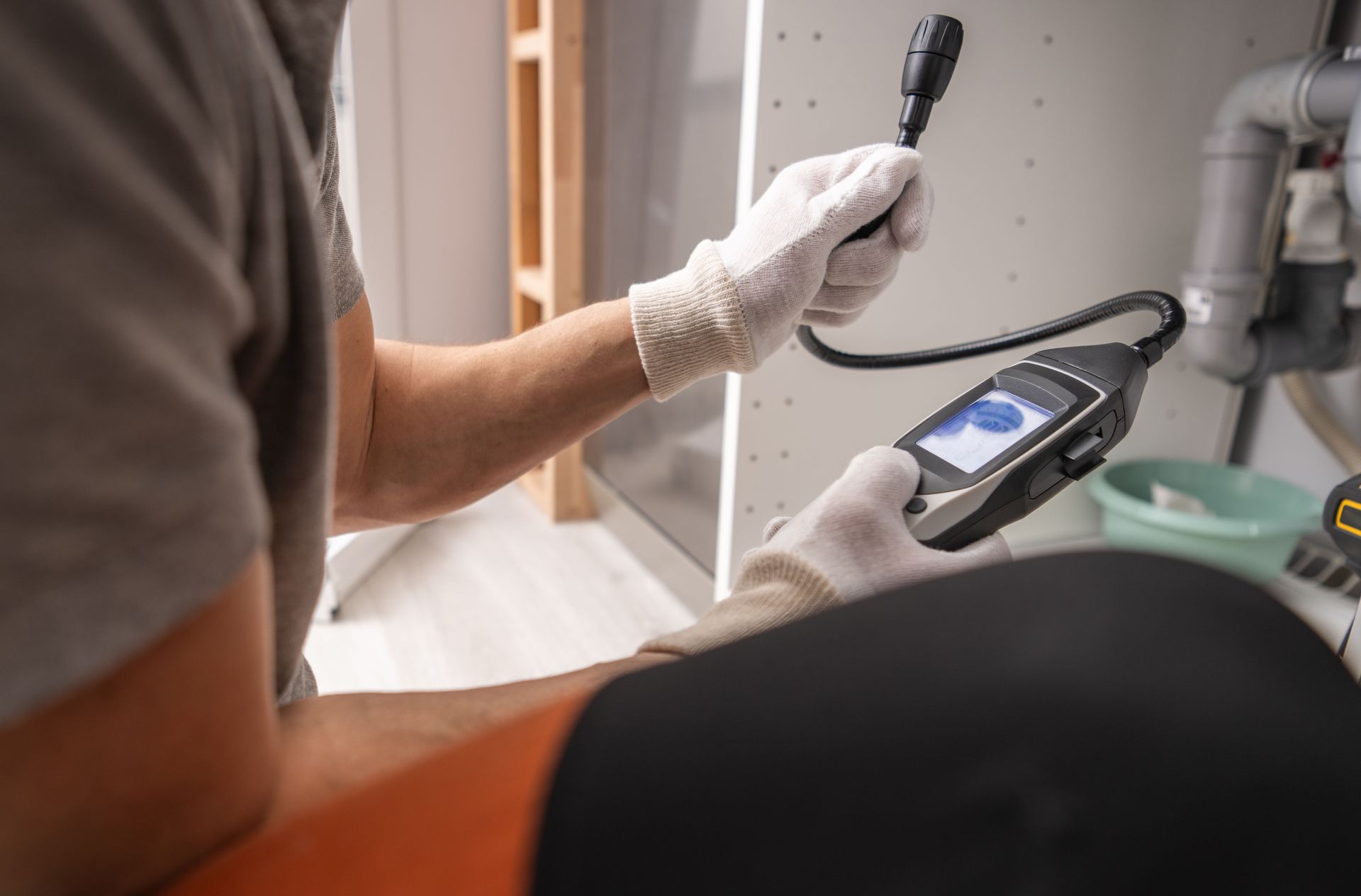
To combat the constant threat of water reversal, plumbing systems utilize specialized mechanical devices known as backflow preventers. These assemblies consist of complex valves, springs, and check systems designed to slam shut the moment water attempts to flow in the wrong direction. Depending on the specific hazard level of the property, you might have a reduced pressure zone assembly or a complex check valve assembly installed. While these devices are incredibly effective, their internal components are subject to wear, tear, and corrosion over time. A faulty valve or a degraded seal can render the entire preventer useless, leaving your water supply entirely unprotected. Securing a professional back flow testing service guarantees that every internal mechanism is meticulously inspected and calibrated. Technicians use specialized gauges to ensure the valves close completely under pressure, confirming that the equipment will perform flawlessly during an actual emergency situation.
Maintaining Compliance with Local Safety Regulations
Because the purity of the public water supply is a matter of community health, municipal governments enforce strict regulations regarding backflow prevention. Commercial properties, industrial facilities, and certain residential properties with irrigation systems or private wells are legally obligated to install and maintain specialized prevention devices. These local ordinances require property owners to submit proof of functionality on a regular, recurring basis. Failing to adhere to these municipal codes can result in substantial penalties, legal action, and even the complete termination of your water service until compliance is achieved. Contracting a certified back flow testing service ensures that your property meets all current legal standards without any stressful administrative hurdles. Professional technicians not only perform the necessary evaluations but also handle the extensive paperwork and submit the official compliance reports directly to the local water authority, keeping your property fully compliant and avoiding costly municipal citations.
Choosing Professional Assistance for Plumbing Safety
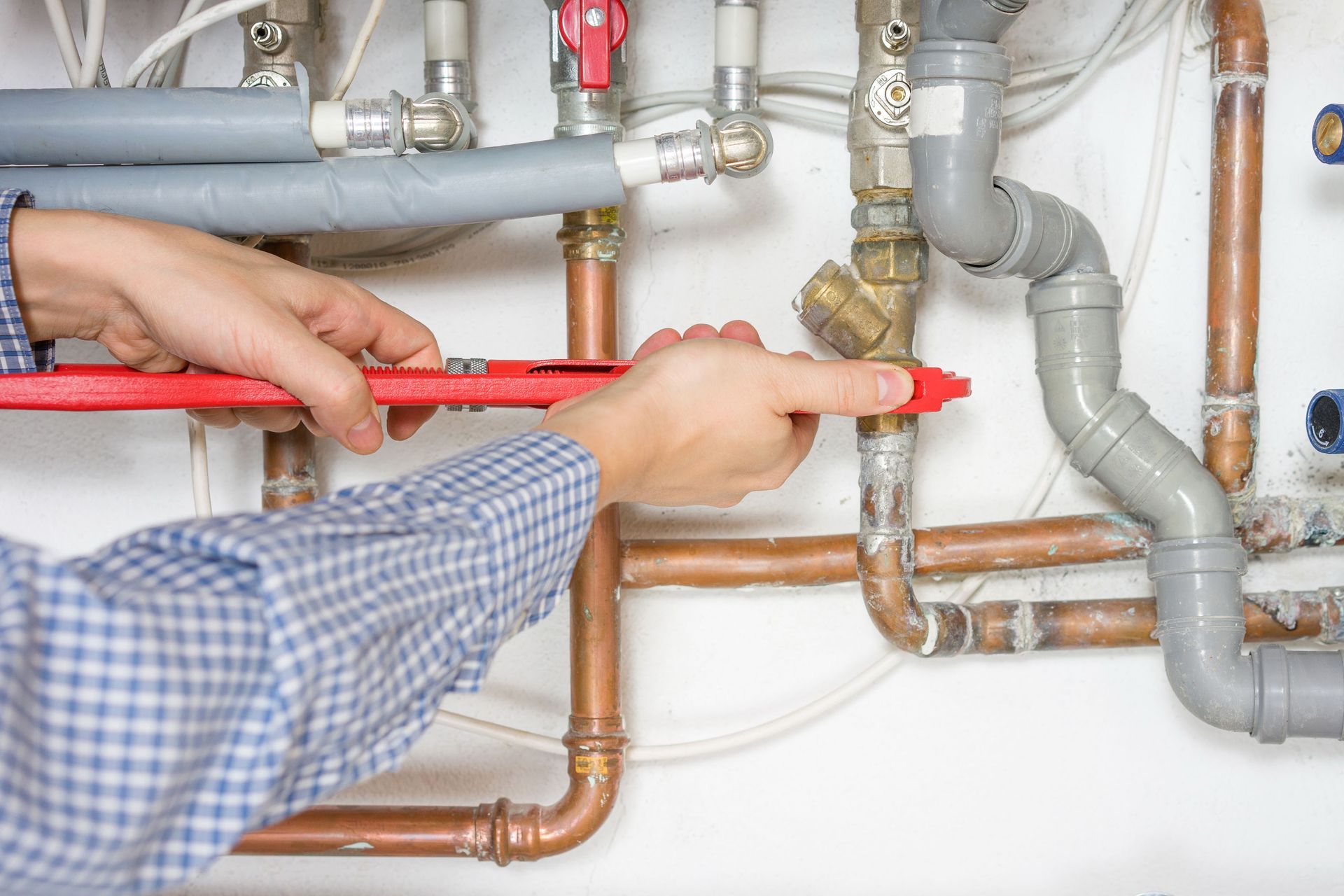
Attempting to inspect or repair complex prevention devices without the proper training is both dangerous and highly ineffective. These intricate mechanical assemblies require precise calibration and an in-depth understanding of fluid dynamics to evaluate correctly. Furthermore, municipal authorities typically reject inspection reports generated by uncertified individuals. Relying on a dedicated back flow testing service ensures that the evaluation is conducted by highly trained, licensed professionals who possess the exact diagnostic tools required for the job. These experts can instantly diagnose worn seals, failing springs, and microscopic leaks that an untrained eye would easily miss. If the assessment reveals any failing components, certified technicians can immediately perform the necessary repairs or complete replacements to restore the system to optimal functionality. Investing in professional expertise eliminates the guesswork, providing a comprehensive assessment that thoroughly secures your entire water infrastructure from potential hazards.
Safeguarding the purity of your potable water supply requires ongoing vigilance and a commitment to proper plumbing maintenance. Unpredictable pressure fluctuations pose a constant threat, capable of instantly drawing hazardous contaminants into the water you rely on for drinking, cooking, and bathing. Relying on specialized mechanical preventers is only part of the process; these devices demand regular, rigorous evaluations to ensure they operate correctly when emergencies strike. A comprehensive back flow testing service provides the ultimate peace of mind, confirming that your safety barriers are fully functional and that your property remains fully compliant with strict municipal health codes. Do not wait for a contamination crisis to prioritize your plumbing infrastructure. Take proactive steps today to secure the health and safety of everyone under your roof. Call Holt Plumbing Company today to learn more about scheduling an inspection and protecting your water supply from invisible threats.